The Evolution of Perfumes: From Ancient Oils to Modern Blends
The Journey of Fragrance: How Perfumes Evolved from Ancient Elixirs to Modern Creations
Perfumes have existed for thousands of years, shaping cultures, rituals, and personal identities. What began as sacred aromatic oils has transformed into a sophisticated global industry producing perfumes, deodorants, perfumes for men, and perfumes for women.
Let’s explore how fragrances evolved through history.
Ancient Beginnings: Fragrance as Sacred Art
The earliest perfumes were not created for vanity but for spirituality. Ancient civilizations like Egypt, Mesopotamia, and the Indus Valley used scented oils in religious ceremonies.
Ingredients included:
-
Myrrh
-
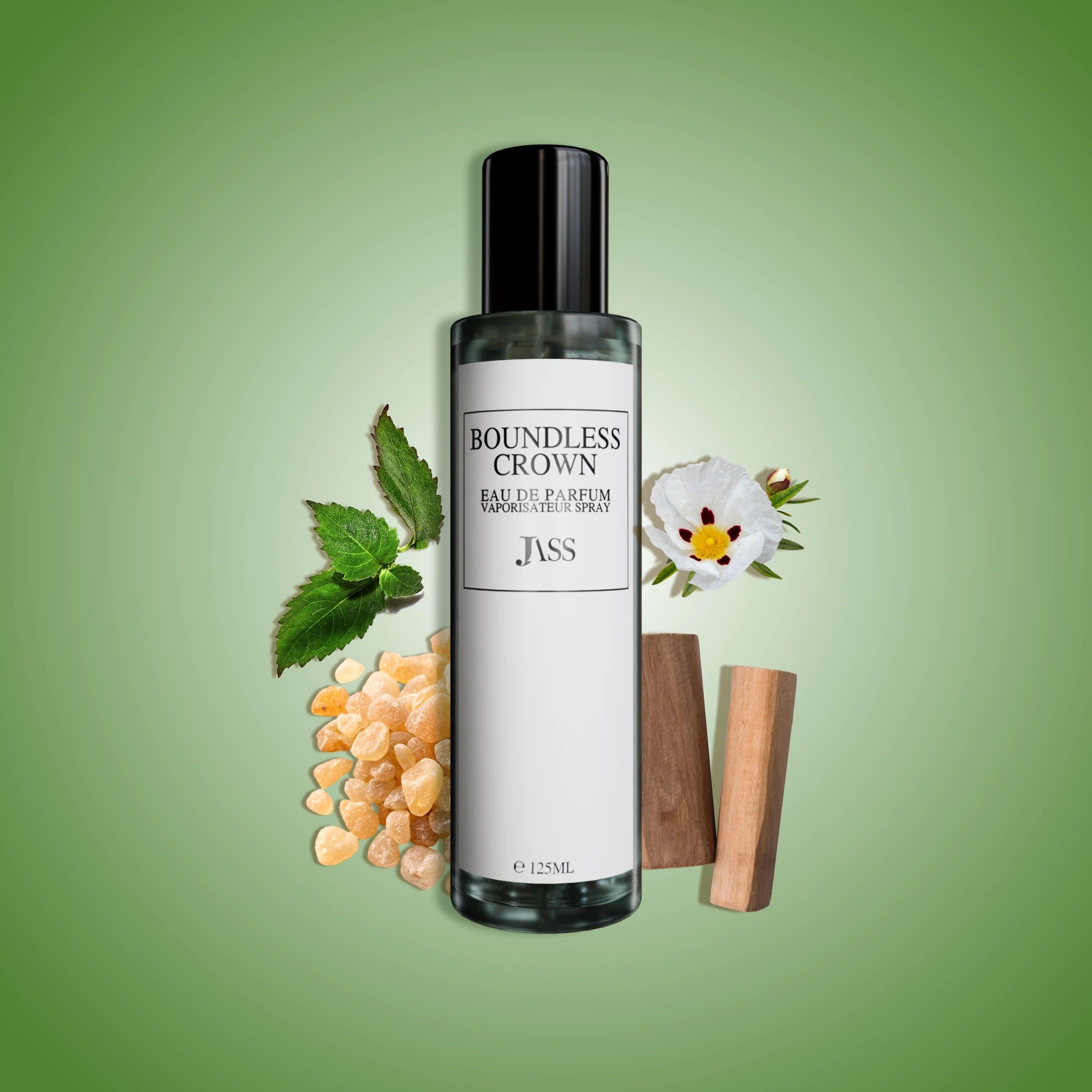
Frankincense
-
Resins
-
Herbs
Perfumes were believed to connect humans with the divine.
Egyptians: Masters of Aromatic Oils
Egyptians elevated perfumery into an art form. Fragrances were used in temples, burial rituals, and royal courts. Kyphi, one of the earliest documented blends, combined honey, wine, and exotic resins.
Greek & Roman Influence
The Greeks refined perfume usage, linking scents to hygiene and beauty. Romans popularized daily fragrance use, scenting baths, homes, and even pets.
Islamic Golden Age: Scientific Distillation
Arab chemists revolutionized perfumery by perfecting steam distillation, enabling extraction of delicate floral oils like rose and jasmine. This innovation laid the foundation for modern perfumes.
Renaissance Europe: Perfume as Status Symbol
Fragrance became a luxury statement among European nobility. With poor sanitation widespread, perfumes and deodorants masked unpleasant odors.
France emerged as the perfume capital.
Industrial Revolution: Birth of Modern Perfumes
Synthetic aroma molecules changed everything:
-
Affordable production
-
Greater creativity
-
Longer-lasting scents
This era introduced structured fragrance categories and mass-market perfumes for men and perfumes for women.
20th Century: Branding & Identity
Perfumes became symbols of personality, seduction, and fashion. Designer houses launched iconic scents targeting specific lifestyles.
Today’s Fragrance Landscape
Modern perfumery offers:
-
Niche perfumes
-
Gender-neutral blends
-
Natural/clean formulations
-
Enhanced deodorants
Consumers now seek individuality, sustainability, and longevity.
Conclusion
From sacred smoke to skin chemistry, perfumes have mirrored human evolution. What remains unchanged is their emotional power.
Perfumes are no longer luxuries alone — they are everyday essentials.